Recognizing the Six Tell-Tale Signs of Narcissistic Abuse

Many of us have worked with clients whose self-worth has been quietly eroded over time, often without them realizing how or why. Dr. Ramani Durvasula, a leading expert in narcissistic abuse, offers a clear and powerful framework to help us understand what’s actually happening in these relationships and how we, as clinicians, can begin to repair the damage.
Understanding the Abuse: The “DIMMER” Framework
Narcissistic abuse isn’t always loud or explosive. In fact, it’s often defined by a series of patterns that gradually shrink a person’s sense of self. There are six core behaviors—summed up in the acronym DIMMER—that characterize narcissistic abuse:
- Dismissiveness
- Invalidation
- Minimization
- Manipulation
- Entitlement
- Rage
Clients exposed to narcissistic abuse may endure these dynamics daily, especially if they are still in close contact with the narcissistic individual. Over time, this chronic exposure leads to feelings of worthlessness, confusion, anxiety, and a profound loss of self-trust.
These behaviors are not just emotionally painful. They’re deeply destabilizing. They rob the client of intersubjectivity, or the ability to be fully seen, heard, and held in a relationship without fear that their autonomy or dissent will cost them love or connection.
The Origins of Self-Blame
When narcissistic abuse originates in childhood, the impact is especially profound. A narcissistic caregiver does not regard the child as a separate, valid person, but instead treats the child’s needs as burdensome. Over time, the child internalizes the caregiver’s resentment, shame, and guilt.
The result? The child learns to suppress their own needs in order to preserve the attachment, no matter how dysfunctional it is. In adulthood, this can look like chronic self-blame, hypervigilance in relationships, a tendency to cater to others' needs at the expense of their own, and difficulty recognizing emotional abuse
How to Help Clients Reclaim the Subjective Self
For clients who grew up with narcissistic caregivers or are currently in narcissistically abusive relationships, therapy becomes an “aftermarket add-on,” as Dr. Ramani puts it. Our work is to help them develop a sense of subjectivity—the felt knowledge that they matter, that their needs are valid, and that they are allowed to take up space.
This isn’t easy work. It’s emotionally demanding. And it requires a deep well of what James Shaw calls therapeutic love: an attuned, consistent presence that says “You deserve to be fully seen. You are not too much. You are not selfish for having needs.”
How to Know It’s Narcissistic Abuse
- Be on the lookout for the subtle patterns of DIMMER behaviors in your clients’ relationships. These aren’t always dramatic, but their cumulative effect is deeply damaging.
- Explore early childhood dynamics and how clients may have internalized narcissistic abuse as their own guilt or shame.
- Offer clients corrective experiences in the therapy room by fostering intersubjectivity through empathy, validation, and consistent relational safety.
- Recognize that healing requires time and therapeutic love. It’s our ability to hold space for the client's subjective self that opens the door to transformation.
This work is not easy, but it is deeply meaningful. Helping clients reclaim their sense of self after narcissistic abuse is one of the most profound gifts therapy can offer.
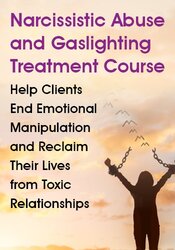
This one-of-a-kind course will give you the strong foundation you need to identify this hidden abuse, effectively respond to it as a therapist, and help these clients reclaim their lives.

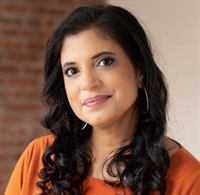
Ramani Durvasula, PhD is a psychologist in California, the founder and CEO of LUNA Education, Training and Consulting, and professor emerita of psychology at California State University Los Angeles. She is The New York Times bestselling author of It’s Not You: Identifying and Healing from Narcissistic People. She is also the author of multiple other books including ”Don’t You Know Who I Am”: How to Stay Sane in the Era of Narcissism, Entitlement and Incivility and Should I Stay or Should I Go: Surviving a Relationship with a Narcissist. She has lectured and trained therapists around the world on best practices on working with clients experiencing narcissistic abuse and has developed a 36 hour virtual training and certification program in conjunction with PESI to train clinicians on how to use an antagonism-informed approach with clients experiencing narcissistic relationships.
Dr. Durvasula hosts a popular YouTube channel with over 2 million subscribers, maintains a program offering support and education to thousands of survivors, and is a featured expert on the digital media platform MedCircle. She also maintains an engaged online network called the Dr. Ramani Network. She has also been widely involved in the governance of the American Psychological Association, including the APA Leadership Institute for Women in Psychology and the APA Minority Fellowship Program. Dr. Durvasula received her MA and PhD degrees in clinical psychology from UCLA and completed her internship and post-doctoral training at the UCLA Department of Psychiatry. She completed her Bachelor of Science degree in psychology, with a minor in sociology in 1988 at the University of Connecticut. She resides in Los Angeles, CA.
Speaker Disclosures:
Financial: Ramani Durvasula is the founder and CEO of LUNA Education, Training, and Consulting and has an employment relationship with the University of Johannesburg. Ramani Durvasula receives royalties as a published author. She receives a speaking honorarium and recording royalties from Psychotherapy Networker and PESI, Inc. She has no relevant financial relationships with ineligible organizations.
Non-financial: Ramani Durvasula is an associate editor for Behavioral Medicine. She is a member of the American Psychological Association, the Association for Psychological Science Society for Behavioral Medicine, and the International Association of Applied Psychology.


