- Get a clear understanding of anger as a boundary protecting part and how to welcome it safely
- Use IFS informed tools to unblend unburden, and befriend angry and self critical parts
- Get Interventions that help transform judgment into self compassion and inner harmony
- Build skills to recognize and work with your own parts that respond to client’s anger
When clients seeking therapy for anger management step into the therapy room, they carry stories of feeling judged, broken, and needing to be fixed.
And so many therapists accidentally reinforce this by trying to help clients calm their anger. To “fix” the symptom.
But here’s the thing. That approach doesn’t reach the deeper pain driving the anger …
… so the client stays trapped in the same painful patterns of reactivity, shame, and disconnection.
IFS therapy changes that.
Within the IFS model, anger is conceptualized not as a symptom to fix, but a protector forced into an extreme role when the system doesn’t feel safe …
… and gives you a non-pathologizing set of clinical tools to reach the parts of clients guarding that deeper pain and work with it – so it can let go of the protective role that keeps clients reacting to old wounds.
This training shows you how.
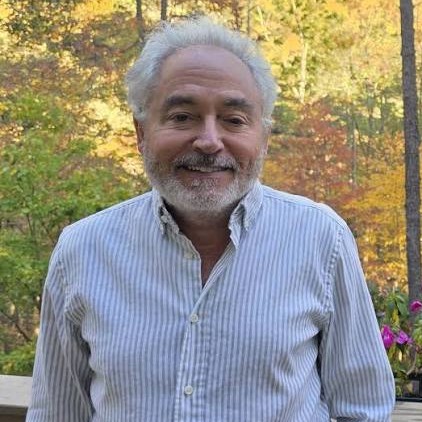
Watch Ted Riskin, LCSW, who has over two decades of experience teaching clinicians how to work with polarized protector parts in the IFS model. With detailed instruction and examples, he’ll take you from the foundations of the IFS approach to how you can use IFS with clients with anger issues.
Participate in this training and walk away with:
- A clear grasp of how IFS frames anger as a boundary protector and how to welcome it safely without pathologizing it
- IFS informed tools to unblend, and befriend angry and self critical parts with confidence
- Interventions that transform judgment into self compassion and deep inner harmony
- How to spot and work with your own fearful or judgmental parts in response to client anger.
Purchase today!
This event is not endorsed by, sponsored by, or affiliated with the IFS Institute and does not qualify for IFS Institute credits or certification.