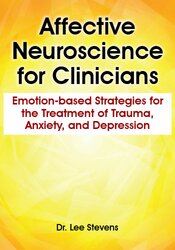
When it comes to working with emotions in therapy, few interventions deal with the emotion itself and how to respond to it.
Instead, we teach our patients to manage and regulate them…and, in the process, we hope they go away.
But, often, the emotions don’t go away.
Why? Because the modalities you know and practice treat the symptoms and not the cause!
We need a new way to think about psychopathology and this is it!
I’ve devoted my career to affective neuroscience research and emotion-based therapies. And, along the way, helped thousands of patients with their emotional struggles.
YOU CAN easily and effectively help your clients create deep, lasting change by giving them the power to access and accept difficult emotions that come at unexpected times.
Spend this day with me and I guarantee that you will walk away with research proven strategies and tactics that help your patients overcome their emotional challenges and move through trauma, anxiety, and depression.
If you see patients with PTSD, trauma, anger, fear, guilt, shame, abandonment and compulsion issues – this is a must see seminar!
Purchase today and I will see you in the webcast!
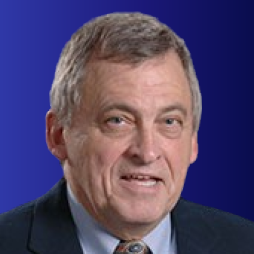
Lee Stevens, Ph.D.