When your clients are struggling, how do you know whether to focus your efforts on helping them to create change … or helping them to cultivate a sense of acceptance of their experience?
If you encourage change when none is likely to be successful, you could trigger hopelessness …
And if you recommend acceptance when things could be different, you risk deep regret when it becomes apparent later that change was possible.
So how do you strike the right balance – helping clients accept their current reality while still working toward meaningful change?
That’s the beauty and the power of Mindfulness-Based Cognitive Therapy (MBCT)!
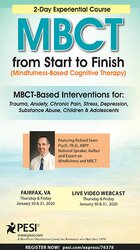
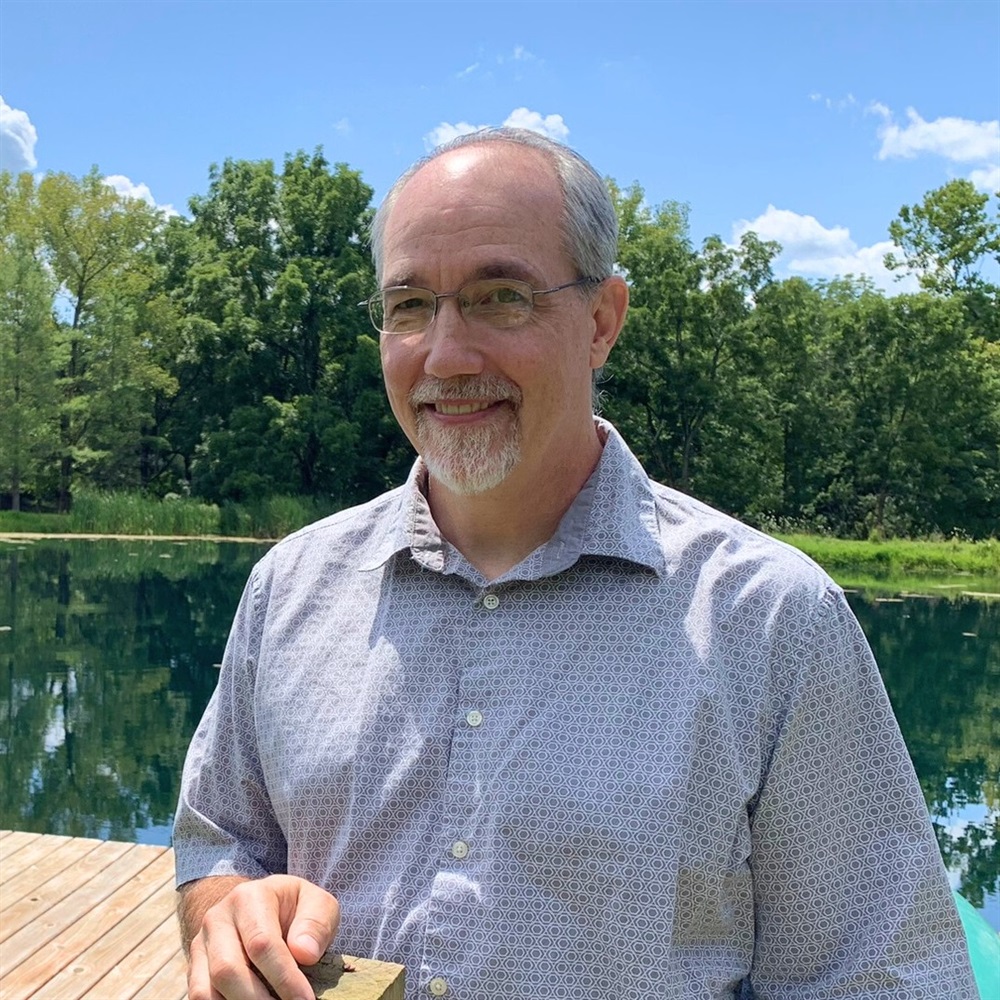
Watch psychologist and MBCT expert, Dr. Richard Sears, who has trained tens of thousands worldwide, for a two-day experiential workshop where you’ll get the best of both CBT and mindfulness practices, all in one empirically-validated intervention!
You will gain:
- Skills for immediate implementation: Experiential practice and training to ensure mastery of the six domains of competence
- An 8 session MBCT protocol: A “boot camp” for clients and clinicians
- Expert guidance on adapting MBCT for diverse clinical needs: Powerful tips to treat trauma, depression, substance abuse, and more in clients of all ages
As an added bonus, programs like MBCT have also been shown to reduce stress and burnout for clinicians!
Purchase today
CERTIFICATION MADE SIMPLE!
- No hidden fees - PESI pays for your application fee (a $99.99 USD value)!
- Simply complete this live event and the post-event evaluation included in this training, and your application to be Certified Mindfulness-Informed Professional (CMIP) through Evergreen Certification is complete*
Attendees will receive documentation of CMIP designation from Evergreen Certifications 4 to 6 weeks following the program.
*Professional standards apply. Visit www.evergreencertifications.com/CMIP for professional requirements.