- Easy ways to incorporate new research into practice
- Evidence-based approaches that build on strengths
- Simple keys to manage stressful sessions and calm dysregulation
“Personality Disorders are rare … untreatable … a life sentence.”
Myths like these leave you feeling stuck and without clinical tools that make a difference.
… But new research is rewriting the personality disorder treatment playbook.
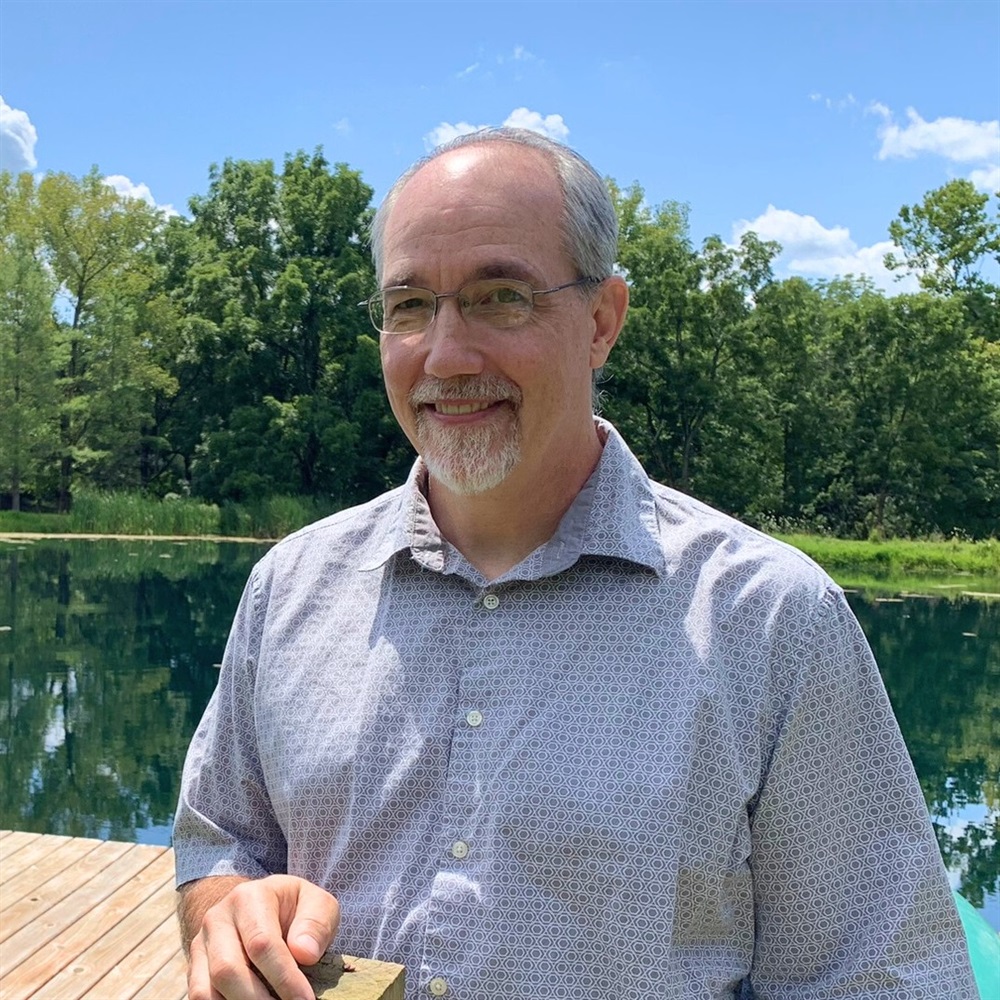
Watch Dr. Richard Sears, expert in ACT, mindfulness and working with personality disorders, in this Personality Disorder Certification training to learn a compassionate yet direct approach with strengths-based techniques from DBT, ACT, and Mentalization-Based therapy.
You’ll walk away knowing:
- The latest genetic and neurological understanding of personality disorders
- How even the most frustrating, maladaptive behaviors get conditioned and reinforced over time (and what to do about it)
- Strategies to help free clients of struggles with thoughts, feelings, and unhealthy behaviors
- Interventions to manage stressful sessions and emotional chaos
- How to avoid getting pulled into a client’s “crisis of the week” drama
With solid principles and detailed case examples, Dr. Sears will bring these concepts and methods to life with passion and humor, giving you practical takeaways to use in your very next therapy session.
PLUS, this training meets the educational requirements to become a Certified Personality Disorder Treatment Provider (C-PD)!
CERTIFICATION MADE SIMPLE!
- No hidden fees – PESI pays for your application fee (a $99 value)*!
- Simply complete this live event and the post-event evaluation included in this training, and your application to be a Certified Personality Disorder Treatment Provider (C-PD) through Evergreen Certification is complete.*
Attendees will receive documentation of C-PD certification from Evergreen Certifications 4 to 6 weeks following the program.
*Professional standards apply. Visit www.evergreencertifications.com/C-PD for professional requirements.