


ADHD and Suicide: Key Risk Factors, Clinical Insights, and Treatment Strategies
- Speaker:
- Roberto Olivardia, PhD
- Duration:
- 1 Hour 31 Minutes
- Format:
- Audio and Video
- Copyright:
-
Dec 12, 2024
- Product Code:
- POS150123
- Media Type:
- Digital Seminar

Description
Join Roberto Olivardia, PhD, Clinical Psychologist, lecturer in the Department of Psychiatry at Harvard Medical School, as he provides rich clinical examples, empirical data, and case studies to bring his insights to life.
He will share Dr. Thomas Joiner’s three-factor model of suicidal behavior, exploring how ADHD increases risk using this framework and why it's essential for clinicians to recognize and address this heightened risk, while also debunking some common myths.
In this session you’ll learn:
- The surprising link between ADHD and suicide risk, and how depression, anxiety, and impulsivity play a role.
- Hidden risks of ADHD being overlooked or misdiagnosed—and why that’s dangerous.
- Crucial facts and common myths about suicide that every clinician must understand to provide effective care
- Effective strategies for supporting clients with suicidal ideation, equipping you with tools to create lasting impact
- Powerful real-life case studies and data to help bring these critical insights to life
This workshop is designed to empower you with the knowledge of the risks and provide actionable steps to better support your clients.
Credit
Speaker
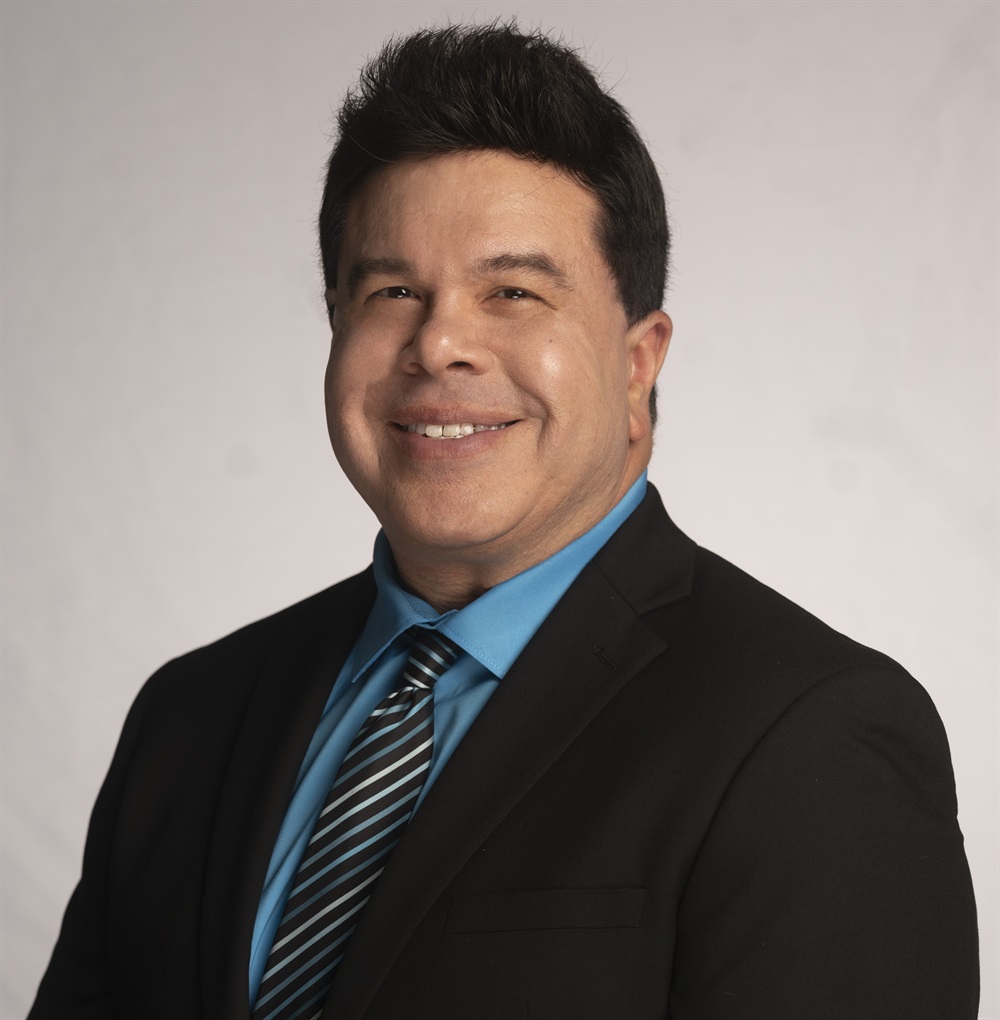
Roberto Olivardia, PhD Related seminars and products
Dr. Roberto Olivardia is a clinical psychologist, lecturer in the department of psychiatry at Harvard Medical School and clinical associate at McLean Hospital. He maintains a private practice in Lexington, MA, where he specializes in the treatment of ADHD, executive functioning issues, and issues that face students with learning differences. He is a recognized expert in the treatment of body dysmorphic disorder (BDD), eating disorders and obsessive-compulsive disorder (OCD). He is on the Professional Advisory Boards for Children and Adults with ADHD (CHADD) and The Attention Deficit Disorder Association (ADDA), as well as sits on the Scientific Advisory Board for ADDitude and the Expert Network for Understood. He is co-author of The Adonis Complex, a book which details the various manifestations of body image problems in males. He has appeared in publications such as Time, GQ, and Rolling Stone, and has been featured on Good Morning America, Extra, CBS This Morning, CNN, and VH1. He has spoken on numerous radio and webinar shows and presents at many talks and conferences around the country. He conducts advocacy work for Decoding Dyslexia – Massachusetts and is a member of the American Association of Suicidology and International Dyslexia – Massachusetts and is a member of the American Association of Suicidology and International Dyslexia Association. He also has lived experience as someone with ADHD and learning differences and a parent of two teenagers with ADHD and Dyslexia.
Speaker Disclosures:
Financial: Dr. Roberto Olivardia maintains a private practice and has employment relationships with McLean Hospital, Within Health, and Women Insight, Inc. He receives royalties as a published author and is a consultant with the National Institute of Drug Abuse, Risk Factors for Anabolic-Androgenic Steroid Abuse. Dr. Olivardia receives a speaking honorarium and recording royalties from PESI, Inc. He has no relevant financial relationships with ineligible organizations.
Non-financial: Dr. Roberto Olivardia is a member of the Academy for Eating Disorders, the American Association of Suicidology, the American Psychological Association, the Attention Deficit Disorder Association, the Children and Adults with Attention Deficit Hyperactivity Disorder, the International Dyslexia Association, the International Obsessive-Compulsive Foundation, the Massachusetts Psychological Association, and the Multi-Service Eating Disorder Association.
Additional Info
Access for Self-Study (Non-Interactive)Access never expires for this product.
For a more detailed outline that includes times or durations of time, if needed, please contact cepepesi.com
Questions?
Visit our FAQ page at www.pesi.com/faq or contact us at www.pesi.com/info
Objectives
- Determine the three ADHD-specific risk factors for suicide using the Interpersonal-Psychological Theory of Suicidal Behavior.
- Choose DBT treatment interventions for ADHD patients who are currently experiencing suicidal thoughts or self-harming behaviors.
- Determine the impact pharmacological interventions for ADHD have on suicide risk.
Outline
What do we know about people who die by suicide? Understanding who is at highest risk.
- Gender
- Age
- Marital Status
- Geography
- Methods
- Suicide and Firearms
Combatting the 10 common myths about suicide
- Identifying Special Populations at risk and citing the factors why:
- People affected by mental illness
- Veterans
- LGBTQ+ populations
- Neurodiverse individuals
Distinguishing between suicide and Non-Suicidal Self Injury (NSSI)
- Why people engage in NSSI
ADHD and Suicide: Understanding this important and clinically underappreciated relationship
- Prevalence of Suicidality in ADHD
- Prevalence of ADHD in Suicidal Patients and Research
- Develop awareness of the Additive Suicide Risk Posed by ADHD
- Framing the risk ADHD can pose for suicidality using the Interpersonal-Psychological Theory of Suicidal Behavior Model
- ADHD and Thwarted Belongingness
- ADHD and Perceived Burdensomeness
- ADHD and the acquired ability to enact lethal self-injury
Suicide Assessment Questions
- Risk and Limitations of Assessment
Treatment Implications for ADHD and Suicide and NSSI: Reaching patients
- The impact of treating ADHD on suicide prevention and NSSI: Meeting patients where they are
Resources
Target Audience
- Psychologists
- Social Workers
- Licensed Clinical/Mental Health Counselors
- Addiction Professionals
- Marriage & Family Therapists
- Nurses
- School Administrators
- Teachers/School-Based Personnel
- Speech-language Pathologists
Reviews
Satisfaction Guarantee
Your satisfaction is our goal and our guarantee. Concerns should be addressed to: PO Box 1000, Eau Claire, WI 54702-1000 or call 1-800-844-8260.
ADA Needs
We would be happy to accommodate your ADA needs; please call our Customer Service Department for more information at 1-800-844-8260.
PESI Mobile App
Access CE trainings on your phone or tablet through our free mobile app. Choose video or audio-only versions of online courses from the world’s best instructors, and complete your CE requirements anywhere, anytime, at your own pace.




Please wait ...