Getting the diagnosis right is where treatment begins.
But let’s face it – mental health symptoms don’t always fit neatly into boxes.
With so much overlap between disorders, even experienced clinicians can struggle to pinpoint the correct diagnosis. And when things get missed or misidentified, treatment suffers – clients don’t get the help they need, outcomes decline, and trust can take a hit.
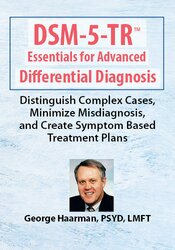
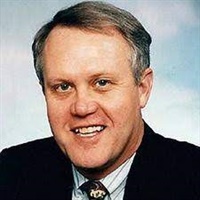
That’s why we’ve put together this training with George Haarman, PsyD, LMFT, a nationally respected expert in diagnosis and treatment planning. This isn’t just a review – it’s a hands-on, case-based training designed to help you fine-tune your clinical judgment and stay sharp with the DSM-5-TR™.
You’ll learn how to:
- Work with new and updated diagnoses like Prolonged Grief Disorder and Suicidal Behavior Disorder
- Spot the differences between similar symptom presentations
- Avoid the common diagnostic traps that derail treatment
- Use the latest coding and specifier changes with confidence
- Integrate cultural and linguistic updates into your documentation
- Build symptom-based treatment plans that are practical and evidence-based
This advanced training will give you the tools to make more accurate, culturally responsive diagnoses – and deliver the care your clients deserve.
Don’t miss it – register today!
*It may be helpful for participants to have a copy of DSM-5-TR™ available for reference.