
Help Kids Break Free from OCD with Exposure Response Prevention (ERP) and CBT
- Speaker:
- Roberto Olivardia, PhD
- Duration:
- Approx 2 hrs
- Format:
- Audio and Video
- Copyright:
-
Oct 22, 2025
- Product Code:
- POS150340
- Media Type:
- Digital Seminar

Description
Children and teens with OCD often struggle with intrusive thoughts and compulsive behaviors that disrupt their daily lives.
Misdiagnosis and ineffective treatment approaches can delay progress, leaving young clients feeling stuck. This training provides a clear framework for accurately assessing and effectively treating pediatric OCD using Cognitive-Behavioral Therapy (CBT) and Exposure and Response Prevention (ERP) to help break the cycle of anxiety and compulsions.
Led by OCD expert, Dr. Roberto Olivardia, this training will equip you with evidence-based strategies to confidently implement CBT and ERP with young clients. Through case studies and hands-on techniques, you’ll learn how to tailor interventions for children and teens while supporting parents and families in the process.
You’ll learn how to:
- Identify subtle and overlooked signs of OCD in kids and teens
- Use structured assessment tools to distinguish OCD from other conditions
- Apply CBT and ERP strategies in a developmentally appropriate way to disrupt obsessive-compulsive patterns
- Guide parents in supporting their child’s treatment and long-term progress
- Implement a framework for relapse prevention to sustain treatment gains
This training gives you the essential tools to help young clients break free from OCD and live more fulfilling lives.
Credit
Speaker
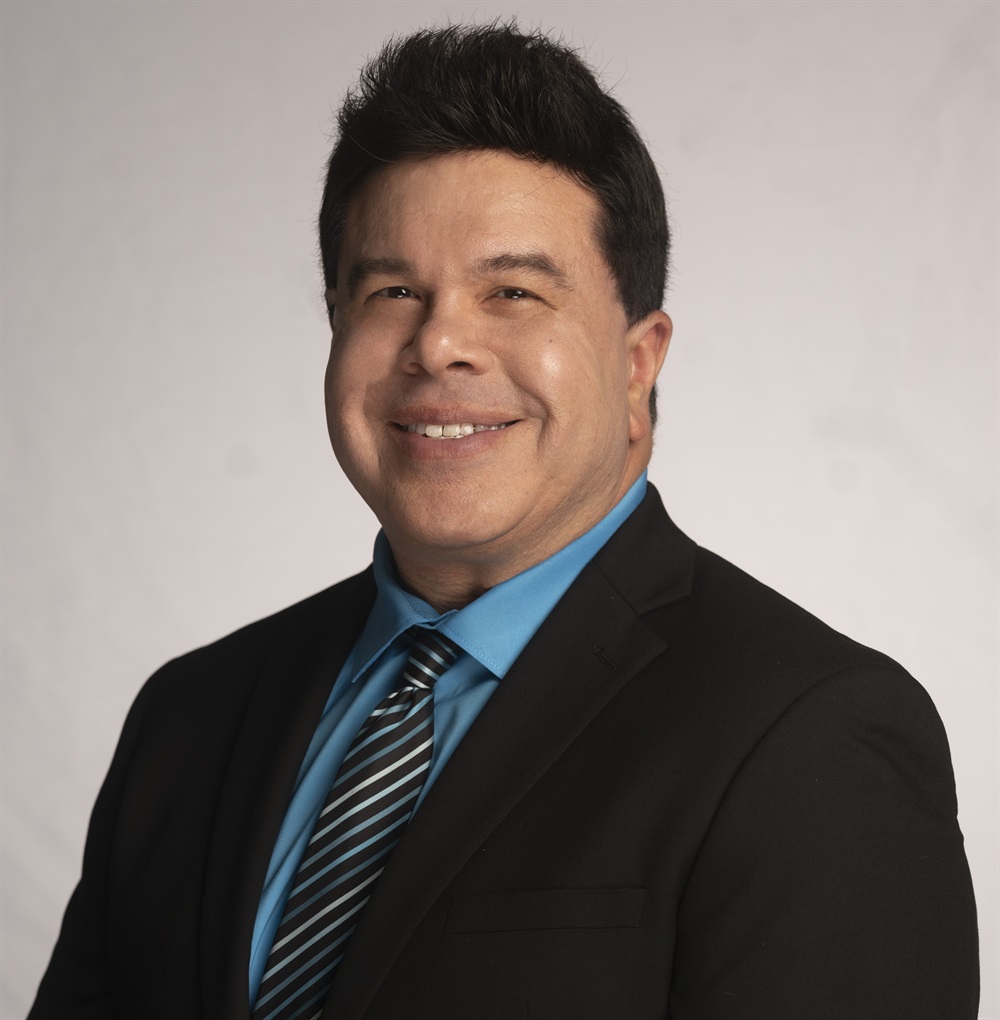
Roberto Olivardia, PhD Related seminars and products
Dr. Roberto Olivardia is a clinical psychologist, lecturer in the department of psychiatry at Harvard Medical School and clinical associate at McLean Hospital. He maintains a private practice in Lexington, MA, where he specializes in the treatment of ADHD, executive functioning issues, and issues that face students with learning differences. He is a recognized expert in the treatment of body dysmorphic disorder (BDD), eating disorders and obsessive-compulsive disorder (OCD). He is on the Professional Advisory Boards for Children and Adults with ADHD (CHADD) and The Attention Deficit Disorder Association (ADDA), as well as sits on the Scientific Advisory Board for ADDitude and the Expert Network for Understood. He is co-author of The Adonis Complex, a book which details the various manifestations of body image problems in males. He has appeared in publications such as Time, GQ, and Rolling Stone, and has been featured on Good Morning America, Extra, CBS This Morning, CNN, and VH1. He has spoken on numerous radio and webinar shows and presents at many talks and conferences around the country. He conducts advocacy work for Decoding Dyslexia – Massachusetts and is a member of the American Association of Suicidology and International Dyslexia – Massachusetts and is a member of the American Association of Suicidology and International Dyslexia Association. He also has lived experience as someone with ADHD and learning differences and a parent of two teenagers with ADHD and Dyslexia.
Speaker Disclosures:
Financial: Dr. Roberto Olivardia maintains a private practice and has employment relationships with McLean Hospital, Within Health, and Women Insight, Inc. He receives royalties as a published author and is a consultant with the National Institute of Drug Abuse, Risk Factors for Anabolic-Androgenic Steroid Abuse. Dr. Olivardia receives a speaking honorarium and recording royalties from PESI, Inc. He has no relevant financial relationships with ineligible organizations.
Non-financial: Dr. Roberto Olivardia is a member of the Academy for Eating Disorders, the American Association of Suicidology, the American Psychological Association, the Attention Deficit Disorder Association, the Children and Adults with Attention Deficit Hyperactivity Disorder, the International Dyslexia Association, the International Obsessive-Compulsive Foundation, the Massachusetts Psychological Association, and the Multi-Service Eating Disorder Association.
Additional Info
Questions?Visit our FAQ page at www.pesi.com/faq or contact us at www.pesi.com/info
Access for Self-Study Program (Non-Interactive)
You will have access to this product for 12 months from the date of purchase.
Objectives
- Identify the various manifestations of OCD seen in children and adolescents.
- Diagnose pediatric Obsessive-Compulsive Disorder (OCD) by utilizing structured assessment tools and screening methods to distinguish OCD from other conditions, such as ADHD, anxiety, and behavior disorders.
- Apply evidence-based interventions, including Cognitive-Behavioral Therapy (CBT) with Exposure and Response Prevention (ERP), in a developmentally appropriate manner for children and adolescents, ensuring the strategies are tailored to meet the unique needs of the pediatric population.
Outline
Understanding the Core of OCD- Recognizing Obsessions & Compulsions
- Clinical Takeaways: Early identification helps tailor interventions effectively
- Diagnostic Tools
- DSM-5 criteria and differential diagnoses
- Children’s Yale-Brown Obsessive Compulsive Scale (CY-BOCS)
- Key Comorbidities & Differential Diagnoses
- Clinical Takeaway: Accurate diagnosis ensures appropriate treatment direction
- How ERP Works
- Practical Applications
- Challenges & Solutions
- Clinical Takeaways: ERP reduces obsession credibility and promotes long-term change
- Cognitive Therapy Techniques
- Behavioral Strategies for Daily Functioning
- Clinical Takeaway: Pairing cognitive strategies with ERP enhances outcomes
- Medication Options
- Clinical Takeaway: Medications can aid ERP treatment
- Common Roadblocks in Therapy
- Addressing Clinician Struggles
- Clinical Takeaway: A flexible, compassionate approach leads to better client engagement
- Building a Strength-Based Approach
- Resources for Ongoing Learning & Support
- Clinical Takeaway: Connection and support improve long-term outcomes
- Limits of ERP & Cognitive Therapy
- Some individuals may struggle with full engagement
- Medication Considerations
- Not a cure-all; requires careful monitoring for effectiveness and side effects
- Clinical Takeaway: A multi-modal, patient-centered approach is crucial
Target Audience
- Counselors
- Educators
- Art Therapists
- Marriage and Family Therapists
- Occupational Therapists
- Physicians
- Psychologists
- Speech-Language Pathologists
- School Administrators
- Social Workers



Reviews
Satisfaction Guarantee
Your satisfaction is our goal and our guarantee. Concerns should be addressed to: PO Box 1000, Eau Claire, WI 54702-1000 or call 1-800-844-8260.
ADA Needs
We would be happy to accommodate your ADA needs; please call our Customer Service Department for more information at 1-800-844-8260.
PESI Mobile App
Access CE trainings on your phone or tablet through our free mobile app. Choose video or audio-only versions of online courses from the world’s best instructors, and complete your CE requirements anywhere, anytime, at your own pace.




Please wait ...