Clients who hoard have a million reasons to hold tightly to the collection they’ve amassed. It’s brought them comfort and made them feel safe. It might be useful later. Their memories and very identities are tied to their stuff.
For them, it feels like psychological death to get rid of it – even if it costs them their most precious relationships.
For you, even convincing them it’s a problem can feel insurmountable.
But in the depths of cluttered homes and overwhelmed hearts lie untapped opportunities for healing and transformation.
That’s where this training comes in.
Now in just one day, you can get the specific set of skills needed to work with hoarding, one of the most difficult-to-treat mental health conditions.
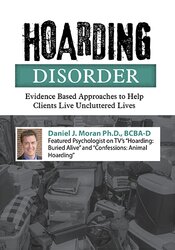
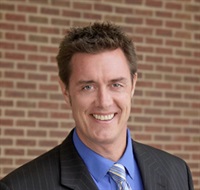
Watch behavior therapy expert and featured psychologist on TV’s Hoarding: Buried Alive, Dr. Daniel J. Moran, as he shows you how to get inside the minds of clients with hoarding disorder. With specific assessment and treatment tools you can start using right away, you’ll discover how to get beyond the chaos, end ineffective arguments and forced cleanouts that don’t work, and guide your clients towards sustainable change and healing.
Whether you’re working your first case with a hoarder or you’re an experience clinician looking to make your treatment more effective, this training is the perfect fit with everything you need including:
- Effective strategies to increase clients’ insight and motivation for change
- How to properly conduct home visits
- Novel assessment tools to understand the scope of clients’ hoarding and track progress
- The latest interventions to help clients change their relationship to their stuff
After participating in this dynamic training, you’ll have the assessment and treatment tools you need to help your clients move forward and live a healthy, uncluttered life.
Register now!