Transform therapy from heavy to hopeful with this 3-hour training
- Master the science of flourishing
- Dozens of simple to use tools and exercises
- Easily integrate with ACT, CBT, DBT and more
- Includes scripts and printable worksheets
Somewhere along the way, sessions became about reducing symptoms, challenging thoughts, and tracking behaviors.
Important? Yes … But your role isn’t to make clients feel “less bad.”
As a therapist, creating hope, meaning and fulfilment in sessions is key.
That’s where learning how to harness the power of positive psychology comes in.
This isn’t just fluff. Its interventions backed by science and decades of research that reduce anxiety, support the post-traumatic growth process and improve clients’ depression scores …
…all while clients say they feel more hopeful, optimistic and engaged in therapy.
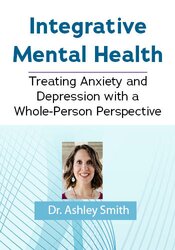
Now in this crash course, Dr. Ashley Smith will make it simple for you to start using positive psychology with your clients.
You’ll discover:
- Why the science of flourishing matters for your clinical outcomes
- A simple 5-part model for helping clients build well-being and resilience
- A complete toolbox of practical interventions you can start using immediately
- How to cultivate a growth mindset in clients without drifting into toxic positivity
PLUS positive psychology interventions fit seamlessly with CBT, ACT, and other evidence-based approaches – so you don’t need to abandon what works – just enhance it.
Purchase now!