Start offering performance psychology services in just one day of training!
Start Your Journey to Becoming a Sports and Performance Psychology Specialist in this One Day Training
From the court to the boardroom, athletes to executives …
… high performers need more than talent – they need mental strength.
And now more than ever, clients are seeking experts with sport and performance psychology training – because maximizing potential means tackling anxiety, burnout, and stress head-on.
This one-day webinar shows you how.
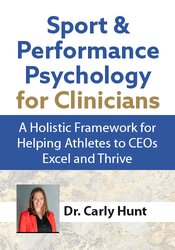
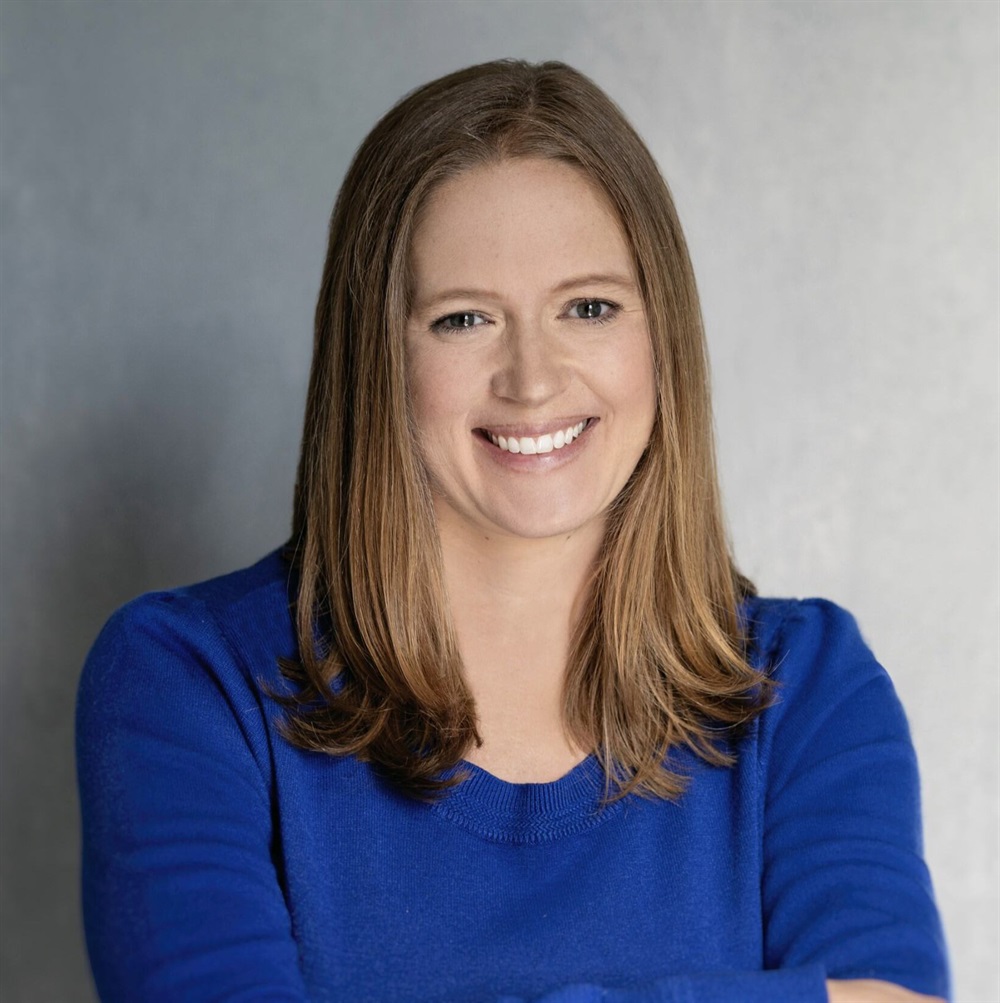
You’ll join Dr. Carly Hunt, sport & health psychologist, author of Train Your Brain to Beat Chronic Pain: How to Harness the Power of the Mind-Body Connection, and former Division 1 Golfer who’s played in USGA and NCAA championships. An accomplished speaker, Dr. Hunt’s expertise has been trusted by top performers and organizations around the world including professional golfers, D1 university athletic programs, the United States Naval Academy and the John Hopkins School of Medicine.
With step-by-step instruction and case studies that make real life application feel simple, she’ll give you a completed toolkit to:
- Harness the power of psychological skills training for increased well-being and performance
- Apply Acceptance & Commitment Therapy techniques to help clients perform to their potential
- Use positive psychology interventions to help counter negative inner talk
- Help clients develop inner resources and resilience in the face of anxiety, stress, and high-demand situations
And much more …This program will expand your skillset and give you a way to add new high-demand services to your practice.
Don’t miss your chance to get trained in one of the fastest growing areas.
Register now.