You see these clients all the time. Preoccupied with others, people with co-dependence issues desperately try to please, manage, or fix those in their closest relationships.
After years of putting their own needs aside these clients become stuck in externally focused self-sacrificing patterns they don’t even recognize. By the time they show up in your office with anxiety, depression, and significant relationship issues they’ve completely lost their true selves.
But knowing what to do with these clients in therapy can be exasperating as again and again they shift the focus of sessions away from themselves and toward others. Their unwillingness to drop down into their own emotions, thoughts, and actions can leave you feeling demoralized and drained as you spin your wheels session after fruitless session. If you’re not careful, you can end up joining the client as they look to solve their own problems by solving the problems of others.
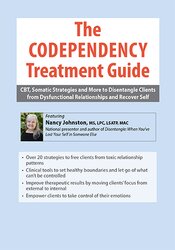
Nancy Johnston has been a therapist for over 40 years and is an expert in the field of codependent relationships. The author of Disentangle: When You’ve Lost Your Self in Someone Else, Nancy has helped thousands of clients extricate themselves from toxic codependency, connect with self, and live with more peace and confidence.
She’ll share the clinical tools and strategies you need to help clients break free from codependency, better balance their care of self and others, and achieve self-recovery.
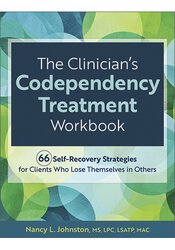
Full of instantly useable cognitive strategies, somatic techniques, visual tools, case studies, and exercises, you’ll be able to:
- Move your clients’ focus from external to internal for improved therapeutic results
- Help clients face the realities of their relationships so they can make real changes
- Improve clients’ ability to set healthy boundaries and let go of what they cannot control
- Show your clients how they can take control of their emotions and start responding instead of reacting
- Foster self-empowerment from the very first session
- And much more!
You’ve seen codependent clients in your practice for so long now. Don’t pass on this expert-led training so you can achieve incredible results and set clients on the path to living life for themselves.
Purchase now!