


The Neurobiology of Attachment and Personality
Pathways to Connection and Healing
- Speaker:
- Daniel J. Siegel, MD
- Duration:
- 1 Hour 31 Minutes
- Format:
- Audio and Video
- Copyright:
-
Mar 27, 2026
- Product Code:
- POS150630
- Media Type:
- Digital Seminar

Description
In this session, Dr. Dan Siegel will explore how the science of attachment and the merging understanding of personality development reveal pathways toward deeper connection, resilience, and healing. Drawing from the field of interpersonal neurobiology, Dr. Siegel will illuminate how relationships:
- Shape the brain
- Influence our sense of self
- Open the door to integrative growth in both personal and professional life
Credit
Speaker
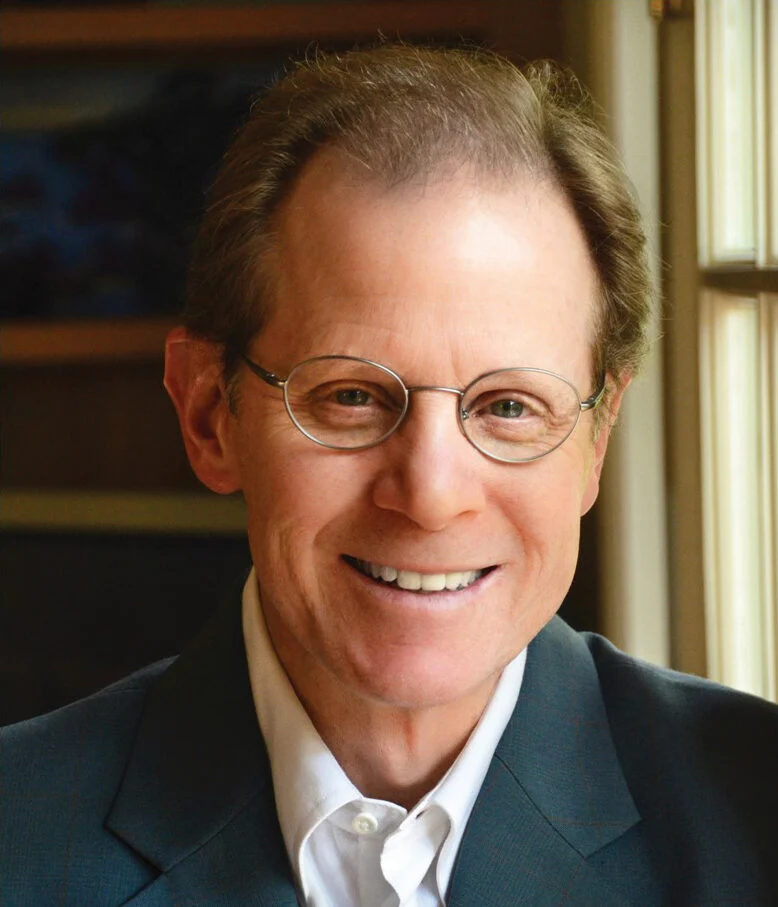
Daniel J. Siegel, MD Related seminars and products
Mind Your Brain, Inc.
Dr. Dan Siegel is the founder and director of education of the Mindsight Institute and founding co-director of the Mindful Awareness Research Center at UCLA, where he was also co-principal investigator of the Center for Culture, Brain and Development and clinical professor of psychiatry at The School of Medicine.
An award-winning educator, Dan is the author of five New York Times bestsellers and over fifteen other books which have been translated into over forty languages. As the founding editor of the Norton Professional Series on Interpersonal Neurobiology (“IPNB”), Dan has overseen the publication of over one hundred books in the transdisciplinary IPNB frame which focuses on the mind and mental health.
A graduate of Harvard Medical School, Dan completed his postgraduate training at UCLA specializing in pediatrics, and adult, adolescent, and child psychiatry. He was trained in attachment research and narrative analysis through a National Institute of Mental Health research training fellowship focusing on how relationships shape our autobiographical ways of making sense of our lives and influence our development across the lifespan.
Speaker Disclosures
Financial: Dr. Dan Siegel serves as the Medical Director at the Lifespan Learning Institute and is the Co-Founder and Director of Education at the Mindsight Institute. He is also the founding editor of the Norton Series on Interpersonal Neurobiology. Dr. Siegel receives royalties as a published author and serves as a scientific advisor for the Inner Development Goals initiative and as an advisor for the Center for Child Well-Being. Additionally, he receives honoraria and recording royalties from Psychotherapy Networker and PESI, Inc. Dr. Siegel has no relevant financial relationships with ineligible organizations.
Non-financial: Dr. Dan Siegel is an honorary member of the Austrian Federal Association for Mindfulness. He also serves on the Board of the Garrison Institute and as an advisory board member for both Gloo and Convergence.


Additional Info
Access for Self-Study (Non-Interactive)Access never expires for this product.
For a more detailed outline that includes times or durations of time, if needed, please contact cepepesi.com
Questions?
Visit our FAQ page at www.pesi.com/faq or contact us at www.pesi.com/info
Objectives
By the end of this session, participants will be able to:
- Summarize the neurobiological foundations of attachment and how these processes influence personality development across the lifespan.
- Choose integrative strategies grounded in interpersonal neurobiology (IPNB) to support secure attachment, relational healing, and growth in clinical practice.
- Identify risks and limitations associated with current research and clinical applications of attachment- and personality-informed interventions.
Outline
The Neurobiology of Attachment
- How early relationships shape the developing brain and influence attachment patterns
- The role of implicit memory, stress reactivity, and right-brain-to-right brain
communication
Clinical Takeaways:
Recognize how early relational experiences contribute to current functioning
Use attachment-informed assessment strategies to guide treatment
Personality as Patterns of Developmental Pathways
- Personality as recurring patterns of emotion, thought, and behavior
- New research on neuroplasticity and integrative growth
- Introduction to Siegel’s PDP framework as an update to personality science
- Clinical Takeaways:
- Use PDP lens to identify clients’ adaptive and maladaptive patterns
- Introduce reflective practices that move from rigidity/chaos to integration
Pathways to Healing and Connection
- Practical strategies for fostering secure attachment in therapy
- How therapeutic presence activates integration and resilience
- Cultivating relational repair through attunement, resonance, and MWe (interpersonal connectedness)
- Clinical Takeaways:
- Apply mindfulness and presence-based practices in sessions
- Use “narrative integration” techniques to help clients make sense of attachment-based wounds
Risks and Limitations of Research and Clinical Applications
- Variability in research designs and generalizability of attachment studies
- Cultural considerations in applying attachment and personality frameworks
- Ethical cautions: avoid over-pathologizing personally patterns; stay aware of research limitations
- Clinical Takeaways:
- Apply with cultural humility and avoid reductionist labeling
- Stay updated with evolving research and evidence-based practice guidelines
Q&A
Target Audience
- Counselors
- Social Workers
- Marriage & Family Therapists
- Physicians
- Psychologists
- Other Mental Health Professionals



Reviews
Satisfaction Guarantee
Your satisfaction is our goal and our guarantee. Concerns should be addressed to: PO Box 1000, Eau Claire, WI 54702-1000 or call 1-800-844-8260.
ADA Needs
We would be happy to accommodate your ADA needs; please call our Customer Service Department for more information at 1-800-844-8260.
PESI Mobile App
Access CE trainings on your phone or tablet through our free mobile app. Choose video or audio-only versions of online courses from the world’s best instructors, and complete your CE requirements anywhere, anytime, at your own pace.




Please wait ...