

Unlock Healing Pathways: The Polyvagal Theory’s Role in Chronic Pain Rehabilitation
- Speakers:
- Stephen Porges, PhD | Perry Nickelston, DC, NKT, FMS, SFMA
- Duration:
- 1 Hour 01 Minutes
- Format:
- Audio and Video
- Copyright:
-
Apr 25, 2024
- Product Code:
- POS065477
- Media Type:
- Digital Seminar

Description
Dive into the transformative world of the Polyvagal Theory, a groundbreaking exploration of the intricate relationship between the vagus nerve, our physiological state, and resultant behaviors.
Understanding the autonomic nervous system’s role is paramount in tailoring treatments for those in chronic pain.
- Unravel the concept of ‘neuroception’, our body’s subconscious radar for environmental safety or threat, guiding our physiological and behavioral responses
- Delve deeper into the ‘Social Engagement System’, a cornerstone of the Polyvagal Theory, and discover how cues like voice tone or facial expressions can either foster or hinder therapeutic rapport and patient outcomes
- Unpack the “Freeze Response’, a primal survival mechanism, and learn to discern its manifestations in patients
- Equip yourself with knowledge on therapeutic models designed to harness cranial nerve feedback for relaxation and threat mitigation
- Recognize and leverage cues of safety, a pivotal skill in enhancing patient well-being and recovery
You’ll gain insights into the nexus between chronic pain and autonomic regulation, empowering you to discern when pain transcends its initial cause and becomes a neural imprint. Join us in this enlightening journey, bridging the chasm between theory and clinical practice, and revolutionize your therapeutic approach.
Credit
Speaker
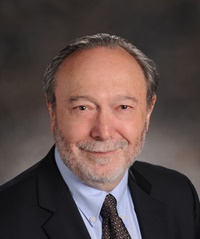
Stephen Porges, PhD Related seminars and products
Kinsey Institute, Indiana University and Department of Psychiatry at the University of North Carolina- Chapel Hill
Stephen W. Porges, PhD, is a distinguished University Scientist at Indiana University, where he is the founding director of the Traumatic Stress Research Consortium within the Kinsey Institute. He holds the position of Professor of Psychiatry at the University of North Carolina and Professor Emeritus at the University of Illinois at Chicago and the University of Maryland, and is a founder of the Polyvagal Institute. Dr. Porges served as president of both the Society for Psychophysiological Research and the Federation of Associations in Behavioral & Brain Sciences and is a former recipient of a National Institute of Mental Health Research Scientist Development Award. He has published approximately 400 peer-reviewed scientific papers across several disciplines including anesthesiology, biomedical engineering, critical care medicine, ergonomics, exercise physiology, gerontology, neurology, neuroscience, obstetrics, pediatrics, psychiatry, psychology, psychometrics, space medicine, and substance abuse. His research has been cited in more than 50,000 peer-review publications. In 1994, Dr. Porges proposed the Polyvagal Theory, a theory that links the evolution of the mammalian autonomic nervous system to social behavior and emphasizes the importance of physiological state in the expression of behavioral problems and psychiatric disorders. The theory is leading to innovative treatments based on insights into the mechanisms mediating symptoms observed in several behavioral, psychiatric, and physical disorders.
He is the author of The Polyvagal Theory: Neurophysiological foundations of Emotions, Attachment, Communication, and Self-Regulation (Norton, 2011), The Pocket Guide to the Polyvagal Theory: The Transformative Power of Feeling Safe (Norton, 2017), Polyvagal Safety (Norton, 2021), co-author with Seth Porges of Our Body Polyvagal World (Norton, 2023), and co-editor with Deb Dana of Clinical Applications of the Polyvagal Theory: The Emergence of Polyvagal-Informed Therapies (Norton, 2018). Dr. Porges is also the creator of a music-based intervention, the Safe and Sound Protocol™, which currently is used by approximately 3,000 therapists to improve spontaneous social engagement, to reduce hearing sensitivities, and to improve language processing, state regulation, and spontaneous social engagement.
Speaker Disclosures:
Financial: Dr. Stephen Porges is a Courtesy Professor with the University of Florida College of Medicine, a Distinguished University Scientist of Indiana University, and a Professor with the University of North Carolina. He receives royalties as a published author. Dr. Porges is co-owner of Polyvagal Music, LLC. He receives a speaking honorarium, book royalties, and recording royalties from PESI, Inc. He receives royalties and is a stockholder with integrated Learning Systems/Unyte.
Non-financial: Dr. Stephen Porges is an emeritus member of the American Psychological Association, the Association for Psychological Science, and the Society for Psychophysiological Research. He holds a patent on Televagal equipment.

Perry Nickelston, DC, NKT, FMS, SFMA Related seminars and products
Stop Chasing Pain, LLC
Perry Nickelston, DC, NKT, FMS, SFMA, is a chiropractor with primary focus on Performance Enhancement, Corrective Exercise, and Metabolic Fitness Nutrition and trained with The American College of Addictionology and Compulsive Disorders. He is an expert in myofascial, orthopedic, medical and trigger point soft tissue therapy. He is a member of the Board of Directors and Medical Staff Advisor for AIMLA (American Institute of Medical Laser Application). Dr. Perry also serves as the director of clinical protocols and training for LiteCure Medical Lasers specializing in Myofascial Laser treatments. He is an expert in movement assessment and diagnosis. He is certified and trained as a columnist for Dynamic Chiropractic, Practice Insights, Chiropractic Economics, To Your Health magazine, Advance Physical Therapy, PT on the Net, LiveStrong, StrengthCoach, and other industry publications for health and fitness. Nickelston graduated from Palmer Chiropractic University and is a master fitness trainer with over 25 years' experience in the health industry. Suffering from obesity as a teenager and overcoming all of the emotional strife that accompanies being overweight, Dr. Perry dedicated himself to teaching others how to get in shape and lead a healthy lifestyle. He is currently publishing several books on health, fitness, laser therapy, business success, and self-treatment programs from his website.
Speaker Disclosures:
Financial: Dr. Perry Nickelston is the owner of Stop Chaising Pain, Pain Laser Center, LLC, and Functional Health Solutions, LLP. He receives royalties and a speaking honorarium from Therasage, Aspen Laser, Fringeheals, and Proneurolight. He is the Chief Medical Officer and Consultant for LiteCure Therapy Lasers. Dr. Nickelston receives a speaking honorarium from PESI, Inc.
Non-financial: Dr. Perry Nickelston is a member of the Association of New Jersey Chiropractors.
Additional Info
Access for Self-Study (Non-Interactive)Access never expires for this product.
Questions?
Visit our FAQ page at www.pesi.com/faq or contact us at www.pesi.com/info
Objectives
- List and define the key components of the Polyvagal Theory, including neuroception, the social engagement system, and the freeze response.
- Describe the relationship between chronic pain and autonomic regulation, explain how pain can become chronic when wired into the nervous system and how cues of safety can alleviate such symptoms.
- Implement therapeutic models, such as Alexander and Feldenkrais, to promote relaxation, reduce threat responses, and enhance the patient’s ability to recognize and respond to cues of safety.
Outline
Introduction to the Polyvagal Theory- Overview of the vagus nerve’s influence on physiological state and behaviors
- Importance of the autonomic nervous system in shaping human reactions
- Definition and significance of neuroception
- How the nervous system subconsciously detects environmental safety or threats
- Physiological and behavioral responses stemming from neuroception
- Introduction to this cornerstone of the Polyvagal Theory
- Role of voice tone, facial expressions, and body language in conveying safety or threat signals
- Physiological and behavioral responses stemming from neuroception
- Understanding the freeze response and its manifestations
- The body’s immobilization strategy during perceived threats
- Differentiate between freeze response in humans and animals
- Recognizing the body’s physical reactions, such as increased muscle tone or skin coloration changes
- Insights into an individual’s state of defense or threat
- Introduction to therapeutic models like Alexander and Feldenkrais
- Harnessing cranial nerve feedback for relaxation
- Strategies to reduce threat responses in patients
- Overview of commercial devices aiming to change the autonomic state
- Potential of vagal nerve stimulators and their effects on cranial nerves
- Exploring the relationship between chronic pain and autonomic regulation
- Understanding how pain can become a neural imprint, separate from its initial cause
- The role of safety cues in alleviating chronic pain symptoms
Target Audience
- Physical Therapists
- Physical Therapist Assistants
- Occupational Therapists
- Occupational Therapist Assistants
- Licensed Massage Therapists
- Chiropractors
- Athletic Trainers
- Nurses
- Nurse Practitioners
Reviews
Satisfaction Guarantee
Your satisfaction is our goal and our guarantee. Concerns should be addressed to: PO Box 1000, Eau Claire, WI 54702-1000 or call 1-800-844-8260.
ADA Needs
We would be happy to accommodate your ADA needs; please call our Customer Service Department for more information at 1-800-844-8260.
PESI Mobile App
Access CE trainings on your phone or tablet through our free mobile app. Choose video or audio-only versions of online courses from the world’s best instructors, and complete your CE requirements anywhere, anytime, at your own pace.




Please wait ...