Please wait ...

 
Friday, August 21, 2026• 8:00 AM – 4:00 PM CDT
JOIN LIVE OR LEARN ON DEMAND

Fall Prevention in Cancer

What Chemo, Steroids, and 'Chemo Brain' Do to Mobility — And What to Do About It

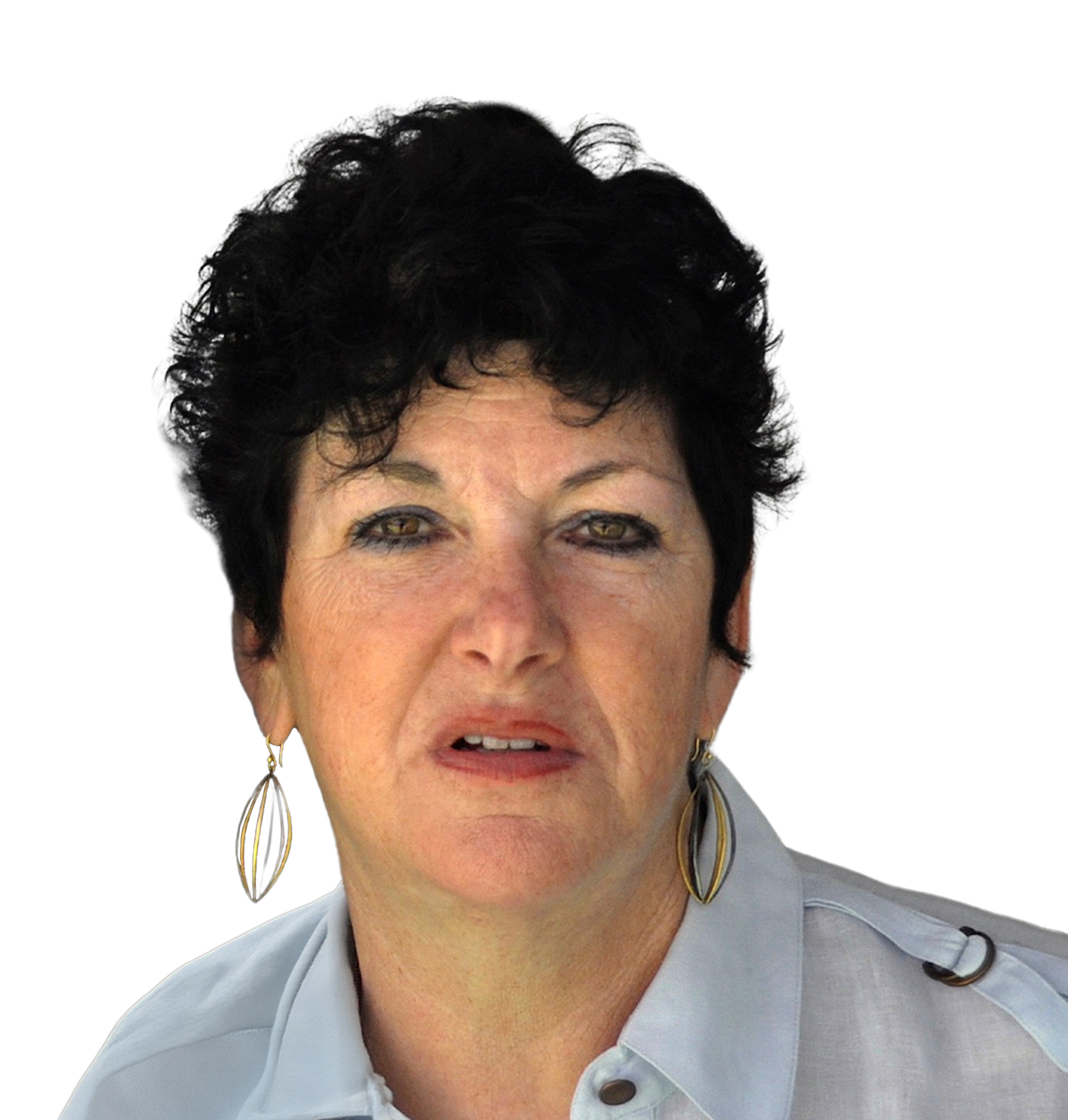
Shelly Denes
Shelly Denes, PT, C/NDT, CFPS, CGCP
30+ Years of Fall Prevention & Neuro-Rehab Expertise

This isn't a refresher. This is the training you should have had before you ever set foot on an oncology unit.

Your fall prevention training didn't prepare you for oncology.

The Morse Scale doesn't account for chemo-induced peripheral neuropathy.

The Hendrich and The CDC – STEADI Initiative do not flag the patient on high-dose dexamethasone whose hips are quietly weakening.

Standard protocols miss the executive function deficits that make a "low-risk" patient unable to remember to lock the brakes or call for help.

And when an oncology patient falls, the stakes are different. Treatment gets delayed. Fractures happen in bones you didn't know were compromised. A patient on a curative path shifts to palliative. One fall can change everything.

You've seen it. You've felt the frustration of knowing something was off but not having the tools to catch it — or the interventions to address it.

This training changes that.

Shelly Denes, PT, has trained thousands of clinicians in evidence-based fall prevention — and spent 30+ years on the front lines of neuro-rehab. Now she's bringing that expertise to the population that needs it most.

In 6 hours, you'll learn:

Why cancer patients fall differently — and why your current screening misses it
The treatment effects that create fall risk: neurotoxic chemo, steroids, radiation, and the cognitive fog no one screens for
Targeted bedside assessments that catch what Morse, STEADI and Hendrich don't
Interventions matched to the root cause — not generic fall precautions that don't move the needle
How to teach patients and families safe transfers, fall recovery, and landing strategies that reduce injury
The team approach: who owns what, when to refer, and how to close the communication gaps

Walk away with assessments you can use Monday morning. Interventions that address the actual problem. And the confidence that you're catching what others miss.

Fall Prevention in Cancer

Friday, August 21, 2026 • 8:00 AM – 4:00 PM CDT
$249.99
$199.99
Save $50.00 — Limited Time
Earn up to 6 CE Hours included in tuition. Credit details
WHY CANCER CHANGES EVERYTHING: The Fall That Derails Treatment
Why your current fall risk screening underestimates oncology patients
The latest CDC STEADI initiative updates — and where they fall short for cancer
Cancer-specific intrinsic risk factors your assessments aren't capturing
The compounding effect: when disease, treatment, and environment collide
THE ONCOLOGY BODY: Understanding the Mechanisms Behind the Risk
The Treatment Assault
Chemo-induced peripheral neuropathy: which agents, when it peaks, why patients underreport
Steroid-induced proximal muscle weakness — the hip and shoulder vulnerability no one warns patients about
Neurotoxic effects on gait, balance, and lower limb function
Radiation effects on vestibular function and coordination
The Cognitive Piece Everyone Undertreats
"Chemo brain" isn't vague — it's working memory, processing speed, attention, and executive function
Why cognitively impaired patients fail at multitasking during mobility (and how to screen for it in 60 seconds)
Sleep disruption, mood disturbances, and the fatigue that mimics weakness
The Disease Itself
Pain patterns that alter gait and weight-bearing
Frailty trajectories in cancer — when and why function drops off a cliff
Vision changes: tumor effects, treatment effects, medication effects
ASSESSMENT THAT ACTUALLY CATCHES THE RISK: Cancer-Specific Screening
Comprehensive fall risk assessment modified for oncology populations
Screening for peripheral neuropathy, proprioceptive deficits, and somatosensory changes
Quick cognitive screens that reveal executive function gaps affecting mobility
Visual-spatial assessment: what to look for, when to refer
The AGS Beers Criteria — medication combinations that multiply risk
Red flag medication lists for oncology units
INTERVENTIONS THAT WORK: Restoring Function, Reducing Risk, Protecting Dignity
Exercise Signals the Body To Fight Cancer
The science your patients need to hear: exercise mobilizes immune cells that seek out and destroy tumor cells
Metabolic benefits that matter: improved glucose uptake and reduced visceral fat
Enhanced DNA repair and anti-inflammatory effects at the cellular level
Why this changes the conversation: exercise isn't just rehab — it's part of treatment
Restore Balance, Mobility, and Strength
Exercise as early intervention — building the case and the protocol
Hip and shoulder strengthening for safer transfers and gait
Addressing dizziness and vertigo in the oncology population
Multitasking and coordination training for patients with cognitive involvement
Manage What Can't Be Fixed
Fatigue-aware mobility planning
Orthotics, gait devices, and assistive technology — matching the device to the deficit
Environmental modifications in hospital rooms: ports, drains, IV poles, and limited space
Sleep hygiene interventions that actually work for circadian-disrupted patients
When Falls Happen Anyway
Safe landing strategies you can teach patients
Fall recovery techniques for varying ability levels
Minimizing injury impact — protective strategies for fragile bones and skin
THE TEAM APPROACH: Building an Interprofessional Fall Prevention Culture
Clear role delineation: when PT/OT consults, when nursing manages independently
Medication reconciliation handoffs that catch high-risk combinations
Reassessment triggers: who owns it when patient status changes mid-shift
Documentation that communicates risk and protects the team
Post-fall huddles that actually improve practice
PATIENT AND FAMILY EDUCATION: Building Understanding Before the Fall Happens
Timing the conversation: early in the disease course, before function declines
Body mechanics and transfer training patients can actually remember
Car transfers, floor transfers, bed mobility — the practical skills
Teaching family members to assist without injury
Evaluating patient understanding and readiness to implement
CASE STUDIES AND PRACTICE: Real Scenarios, Real Decisions
The patient on dexamethasone who "feels fine" but can't get out of a chair
The chemo brain patient who passed the Morse screen but fell during toileting
The peripheral neuropathy patient refusing assistive devices
The family who wants mom walking "to keep her strong" against clinical judgment

Learning Objectives

1.Identify cancer-specific fall risk factors that directly compromise functional mobility.
2.Apply CDC STEADI algorithm updates and AGS Beers Criteria to detect high-risk medication combinations that impair balance, gait, and safe functional performance.
3.Utilize targeted bedside assessments to evaluate proximal muscle weakness, peripheral neuropathy, and executive function impairments that impact safe mobility and ADL performance.
4.Select individualized interventions — including strengthening protocols, assistive devices, and environmental modifications — matched to the root cause of fall risk to preserve or restore functional independence.
5.Utilize fatigue management and sleep hygiene strategies that improve endurance and safe participation in functional tasks.
6.Choose patient and family education techniques for safe transfers, fall recovery, and landing strategies to reduce injury risk and support continued functional mobility.

Fall Prevention in Cancer

Walk away with assessments you can use Monday morning.

Friday, August 21, 2026 • 8:00 AM – 4:00 PM CDT
$249.99
$199.99
Save $50.00 — Limited Time
Earn up to 6 CE Hours — included in tuition

Meet Your Expert

Shelly Denes

Shelly Denes, PT, C/NDT, CFPS, CGCP

Shelly Denes is an expert in fall prevention and neuro-rehab with more than 30 years of experience treating patients with hemiplegia, neurological diseases, neuromuscular disorders, TBI, and SCI. She has a special interest in Long COVID, autoimmunity, and the impact of chronic inflammation and sleep deprivation in rehab.

She has been involved extensively with neuroprosthetic devices, lower extremity orthotics, and exoskeleton devices at the Rehab Institute of Michigan. Mrs. Denes travels nationally to present seminars on fall prevention, Long COVID, and geriatric rehabilitation. Her expertise has also been presented through expert witness work and consulting both nationally and locally.

She sits on the State of Michigan Fall Prevention Coalition committee, is a graduate of the University of Michigan's PT program, and earned her certification in Neurodevelopmental Treatment for Adult Hemiplegia (NDT) at the Rehab Institute of Chicago. She helped create the certifications for 'Fall Prevention Specialist' and 'Geriatric Care Professional' with Evergreen Certifications, holds both certifications, and sits on their advisory board.

Target Audience

Athletic Trainers Registered Nurses Nurse Practitioners Physician Assistants Occupational Therapists OT Assistants Physical Therapists PT Assistants

Schedule & Access Details

August 21st from 8:00 AM – 4:00 PM CDT
There will be a 60-minute lunch and two 15-minute breaks; one in the morning and one in the afternoon. Lunch and break times will be announced by the speaker and at their discretion. A more detailed schedule is available upon request.

Please note: You will have access for 90 days after the program for review. For live CE credit, you must watch the live presentation in its entirety at its scheduled time and complete the CE quiz and evaluation within one week. Please note that this requirement may vary by credit type. Please see detailed credit information for specific requirements for each credit type.

100% Satisfaction Guarantee
Register for this intensive training course without risk. If you're not completely satisfied with your new collection of skills, actionable strategies, concrete tools, and go-to curriculums, give us a call at 800-844-8260.

We're that confident you'll find this learning experience to be all that's promised and more than you expected.

Don't wait for the next fall to change your approach.

Walk away with assessments you can use Monday morning. Interventions that address the actual problem. And the confidence that you're catching what others miss.

Friday, August 21, 2026 • 8:00 AM – 4:00 PM CDT

NOTE: No additional discounts or coupons may be applied to this course.
PLW95893 • © PESI Inc. • All rights reserved • PESI Inc. • Contact Us • FAQ
Back to Top